Stihl Leaf Blower Guide: 12 Powerful Tips for Easy Lawn Care
Introduction
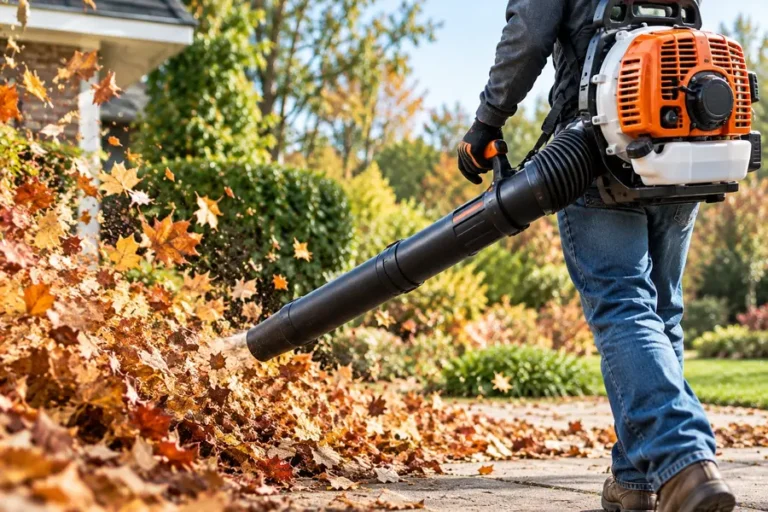
Stihl Leaf Blower Guide Removing leaves debris from a lawn, driveway or patio seems ongoing struggle, particularly e fall after a windy afternoon. Many homeowners landscapers forced to use a Stihl leaf blower for such task outdoor cleanup. This guide covers various hands-on tips for mowing with a leaf blower, maintenance routines and safety measures that will make lawn maintenance overall easier.
What Is a Stihl Leaf Blower?
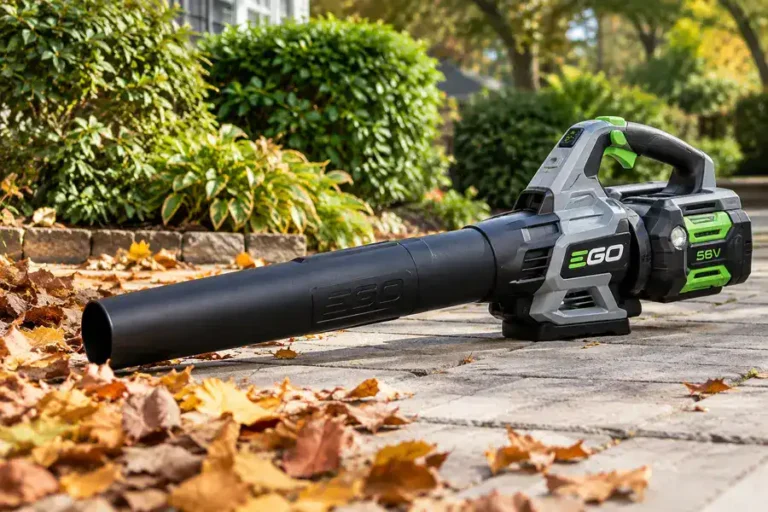
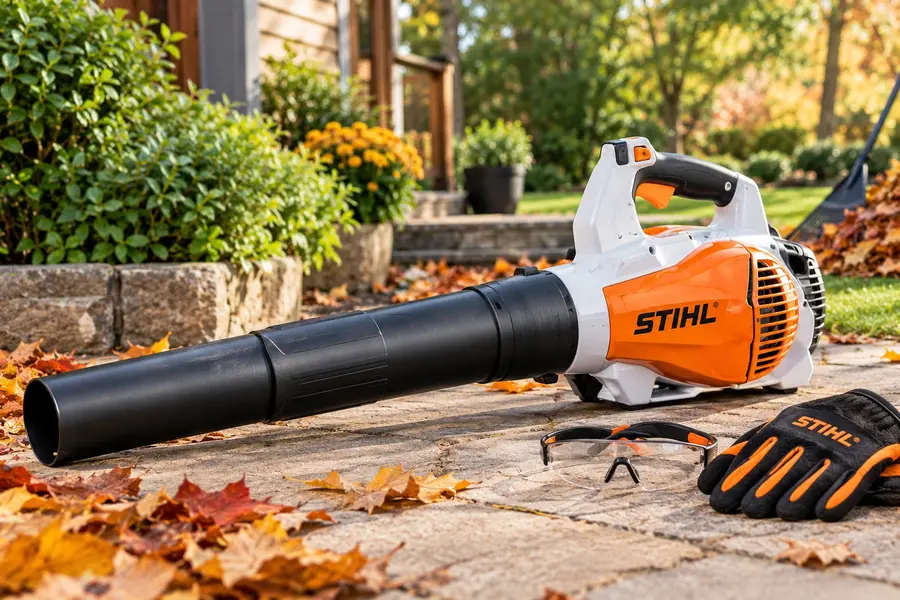
A leaf blower outside power machine drives a powerful air stream from motorized fan, whisking away leaves, grass clippings lightweight debris from a surface. Stihl makes several different types of leaf blowers ranging from gas, battery, and corded electric models that are handheld to backpack for use on various yards and cleanup requirements. The best one to use is usually based on the property size and the frequency of blower usage.
12 Powerful Stihl Leaf Blower Tips for Easy Lawn Care
1. Choose the Right Blower for the Job
Yard size, what type of debris you are working with, and how often you will use the blower are all factors of which blower is recommended. A lighter cordless cord might be enough for a smaller space, but larger spaces with heavier leaf layers may require a longer-lasting airflow option.
2. Check the Area Before Starting
Walk around and clear the area of stones, toys, sticks or other items that may be thrown by the air flow before turning on the blower. This common sense measure will prevent damage or injury in operation.
3. Check Wind Direction
Take note of which way the wind is blowing before you begin. You can use the wind to catch the debris where you want it to go, but you have to work against the wind or leaves will blow back over areas you’ve already mowed.
4. Start From the Outer Edges
Start perimeter of the lawn/yard move toward the centre. This helps keep debris order rather haphazard, eliminates repetition of effort.
5. Use Controlled Airflow
It is not necessary to have a blower running full speed all times. Heavier debris move lower setting, but wet leaves or hard surfaces could require more force. Having more control over airflow when adjusting to the task.
6. Keep the Nozzle at a Useful Angle
The angle and the height from which the nozzle is held will have an impact on the ability of debris to move. It’s best to keep it low, and hold it down slightly, so that leaves are directed better, rather than too low, where debris is scattered instead of directed.
7. Work in Small Sections
If you a large lawn, easier to mow if you small patches. Works well to avoid re-collection of debris in already cleared areas.
8. Clear Different Outdoor Surfaces Carefully
Use a leaf blower on lawns, driveways, patios and walkways, but depending on the surface, the method of use may vary. For example, a loose gravel or mulch bed may require less air flow to prevent the stirring up of materials.
9. Avoid Blowing Debris Toward People or Property
Be aware of others and what is around them. Do not blow air on anyone, any animal, a parked car, any window or in a neighbor’s yard for safety and courtesy.
10. Keep the Blower Clean
Inspect the air intake and nozzle for deposits or blockages and clean the outside as necessary. Consistent performance over time with following the manufacturer’s cleaning instructions.
11. Check the Power Source
This could involve checking the battery and charger, checking the fuel level and quality of a gas engine or checking it for wear on a corded model. Before you use it, a quick look will save you from interruptions during the task.
12. Collect the Debris After Blowing
After leaves have been collected into a pile, change to bagging, composting or some other method than moving the same pile. This last step actually completes the clean up.
Common Stihl Leaf Blower Mistakes to Avoid
- Light debris: Excessive airflow
- Without checking the wind direction before starting up.
- Breathing air in random patterns rather than in a pattern
- Failure to conduct routine maintenance inspections.
- Installing an inappropriate size blower for the yard.
- Not adhering to the manufacturer’s instructions
How to Choose the Right Stihl Leaf Blower
Size of lawn or property, cordless or gas powered leaf blower may work best for your routine, and the weight of the blower when used long periods of time. Other considerations are whether you need to modify the airflow and control, whether you need a battery or fuel source, the noise level, maintainability, your budget, and the amount of work you’re likely to do.
Stihl Leaf Blower Safety Tips
Always use proper eye and ear protection, especially when using gas powered models. Check the surroundings before operating, keep the children away from the equipment when operating, do not operate in unsafe weather conditions, and always follow the manufacturer’s instructions for setting up and operating the equipment.
Conclusion
While a Stihl leaf blower is a great tool to make lawn care much easier, there is just as much to do by using it well and maintaining it properly. Whether you’re measuring wind direction or organizing sections to work together and maintain the blower, these tips can help you handle the removal of your leaves and yard cleanup in general more efficiently, season after season.
FAQs
- How often should Stihl leaf blower used during leaf season?
This depends quickly leaves accumulate, many homeowners find weekly cleanup sufficient during peak fall months.
- Can Stihl leaf blower used wet leaves?
Yes, though wet leaves heavier may require airflow than dry ones.
- What’s difference between gas battery-powered Stihl leaf blowers?
Gas models generally offer longer continuous run times, battery-powered units tend lighter quieter to operate.
- Is a cordless leaf blower practical for a mid-sized yard?
Many cordless models handle routine mid-sized yard maintenance well, though battery runtime should be considered for larger jobs.
- Do Stihl leaf blowers require special maintenance?
Basic upkeep like cleaning intakes, checking power sources, following manufacturer’s care instructions generally applies across most leaf blower types.