How to Choose the Best Garden Trowel
A garden trowel looks like one of the simplest tools in the shed, but picking the wrong one can turn a five-minute planting job into a wrist-aching chore. Learning how to choose the best garden trowel comes down to matching blade shape, material, and handle design to the soil you work with and the tasks you do most.
Whether you’re planting bulbs, transplanting seedlings, or weeding container gardens, the right trowel makes the work faster and easier on your hands.
Table of Contents
- Understanding the Basic Anatomy of a Garden Trowel
- Types of Garden Trowels Worth Knowing
- Choosing the Right Trowel for Your Garden Tasks
- Caring for Your Trowel So It Lasts
Understanding the Basic Anatomy of a Garden Trowel
Before comparing specific models, it helps to know what actually separates a good trowel from one that will bend or blister your hand within a season.
A few features worth checking before you buy:
- Blade material, since stainless steel resists rust and holds an edge far longer than painted or coated carbon steel.
- Blade-to-handle connection, where a one-piece forged design rarely snaps compared to a blade that’s just riveted onto the handle.
- Handle grip, which should feel comfortable during repeated digging motions rather than just when you first pick it up in a store.
- Blade width and depth markings, which matter more than most gardeners expect when planting bulbs or seedlings at a consistent depth.
These fundamentals apply no matter which type of trowel you end up choosing, so it’s worth checking them on any tool before it goes in your cart.
Types of Garden Trowels Worth Knowing
Not every trowel is built for the same job. A handful of established designs cover almost everything a home gardener needs, each suited to a different kind of soil or task.
Narrow transplanting trowels, sometimes called a garden trowel, have a slim, pointed blade that slides between roots with minimal soil disruption, making them a solid pick for moving seedlings or dividing perennials.
A few other categories worth exploring:
- Wide scoop trowels, which move more soil per scoop and work well for general digging or filling containers.
- Bulb planters and soil knives, which double as a trowel but add depth markings or a serrated edge for cutting through roots.
- Ergonomic and folding trowels, designed for gardeners managing hand strain or limited storage space.
Choosing the Right Trowel for Your Garden Tasks
Beyond the basic design, matching a trowel to your actual soil type and routine tasks makes a bigger difference than brand names or price alone.
Consider focusing on:
- Soil type, since dense clay calls for a sturdier, narrower blade while sandy or raised-bed soil works fine with a wider scoop.
- Container gardening needs, where a compact trowel maneuvers more easily in tight pots than a full-sized garden version.
- Hand size and grip strength, which affects whether a standard or ergonomic handle will feel comfortable over a long session.
- Task frequency, since occasional use tolerates a budget-friendly option while daily gardening justifies investing in a forged, one-piece design.
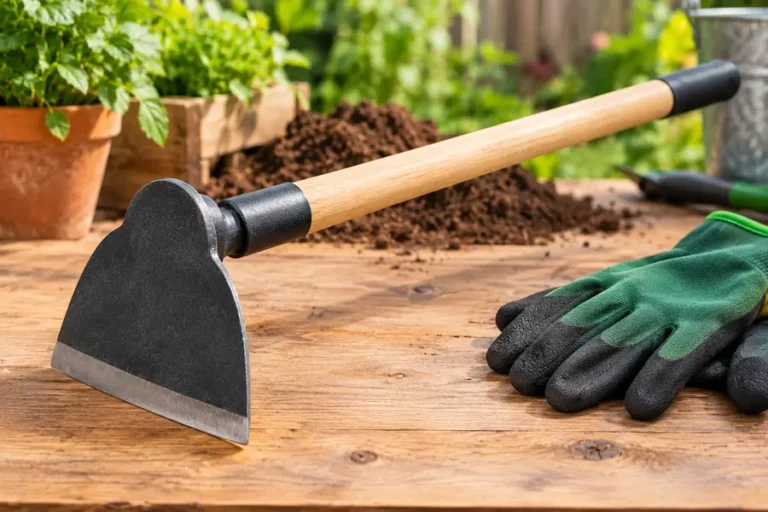
Pairing a good trowel with the right hoe also speeds up bed prep considerably; our Hoe Tool Guide covers how to match a hoe style to different weeding and cultivating tasks.
Caring for Your Trowel So It Lasts
Even a well-chosen trowel wears out faster than it should without a bit of routine care after each use.
- Clean off soil after each session, using a stiff brush or a quick rinse rather than letting caked-on dirt dry onto the blade.
- Dry the blade fully before storing it, since trapped moisture is the main cause of rust on metal blades.
- Oil the metal occasionally, with a light coat of household oil to keep stainless or carbon steel blades from corroding over winter.
- Store it off the ground, on a hook or in a bin rather than left outside where handles can crack and blades can rust.
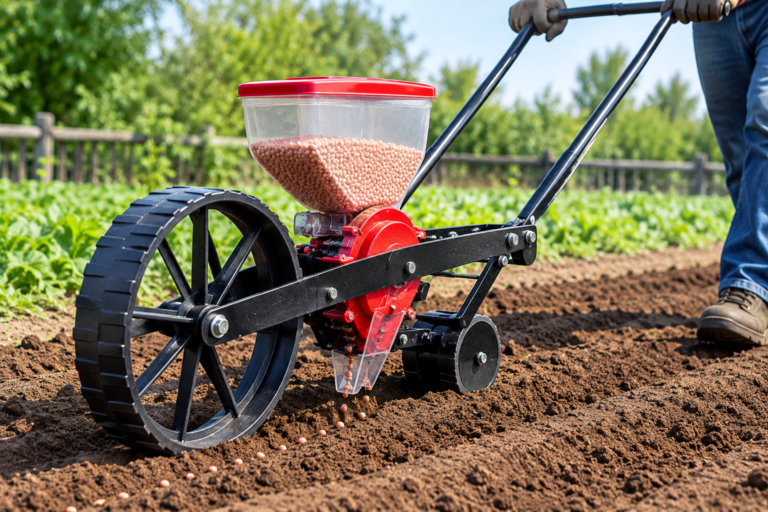
If you’re building out a full planting kit, our Seed Planter Guide covers additional tools that pair well with a good trowel for consistent spacing and depth.
Frequently Asked Questions
What’s the difference between a transplanting trowel and a scoop trowel?
A transplanting trowel has a narrow, pointed blade for precise work around roots, while a scoop trowel has a wider blade built for moving more soil at once.
Is stainless steel worth the extra cost for a garden trowel?
For most gardeners, yes. Stainless steel resists rust far better than painted carbon steel and holds up over many seasons of regular use.
Can one trowel handle both container gardening and in-ground planting?
A mid-sized, narrow-bladed trowel can handle both reasonably well, though dedicated compact and wide-scoop options each perform better in their specific setting.
How do I keep a wooden trowel handle from cracking?
Keep it dry between uses, store it out of direct sun and rain, and apply linseed oil occasionally to keep the wood from drying out and splitting.
Do ergonomic trowels actually reduce hand strain?
Many gardeners with grip or wrist issues find angled or cushioned-handle trowels noticeably more comfortable during repetitive digging, though comfort still varies by hand size.
How often should I replace a garden trowel?
A quality, well-maintained trowel can last many years; replace it only when the blade bends, cracks, or the handle connection loosens beyond repair.
Conclusion
Learning how to choose the best garden trowel comes down to understanding the basic design features, picking a type suited to your soil and tasks, and keeping it clean and dry between uses. There’s no need to buy several trowels right away. Start with one solid, well-built option that matches your most frequent task, and add specialty tools as your garden grows.