
Loppers: 12 Effective Ways to Make Pruning Faster and Easier
Introduction
One of those garden tasks that seems easy until you find yourself in front of a stubborn branch with a pair of hand shears and can’t cut it. Those dense trees, the odd-shaped branches and hard-to-reach limbs can make a simple pruning session a long afternoon. It’s here that loppers get their right to be in the shed.
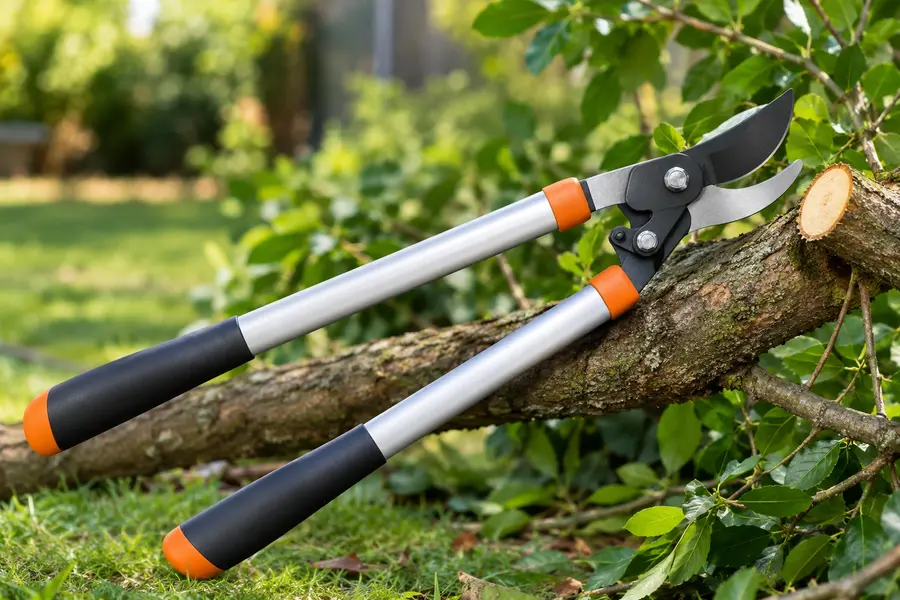
Loppers are designed to tackle branches a pruner cannot access long handles and tough blades. When used properly, make pruning much quicker, safer less exhausting from creating a hedge removing branches from a tree cutting away overgrown shrubs.
What Are Loppers?
Loppers are cutting tools with two handles used to cut branches thicker than those that can be cut with two-handled pruners. The long handles are a lever which increases the force generated by the hands and allows one to cut through wood that would otherwise be too difficult to cut with a saw. Loppers come in handy in the garden and yard for lopping overgrown shrubs or pruning away deadwood from small trees.
There are two major styles: They resemble scissors, one blade passing over the other to perform a clean cut, ideal for live and healthy branches. Anvil loppers close one blade against a flat surface, making them suitable for dry wood or dead wood but they may crush live stems. The first thing to pruning success is knowing the difference.
12 Effective Ways to Make Pruning Faster and Easier
1. Choose the Right Type of Loppers
First, select the lopper that best fits the job. The bypass lopper is best for live branches and exact cutting while the anvil lopper is suitable for dead or brittle wood. Employing the right variety right away will save efforts and avoid squandered stems.
2. Match the Tool to Branch Thickness
Each pair of loppers cuts a certain amount of wood. If you try cutting more than that, you will make the tool and slow yourself down. Before cutting, measure the diameter of the branch to avoid having to work against the wood.
3. Keep the Blades Sharp
Sharp blades slice through branches in one motion rather than several, forced ones. Muddy blades are harder to cut, fatiguing hands faster, and often will result in ragged cuts that heal poorly.
4. Position the Blades Correctly
The branch should be as near to the pivot as possible. This is the point where the tool exerts the most cutting pressure giving each cut more speed and less exertion of your cutting force.
5. Use the Handles for Better Leverage
Hold the handles at the ends and not near the head. This allows the long handles to be used to the greatest advantage and thick branches will cut more easily.
6. Make Clean, Controlled Cuts
It is better to get a clean cut by squeezing once rather than sawing repeatedly. The resulting clean cuts heal quicker on the plant and will not take as long to finish helping to speed up the entire pruning task.
7. Avoid Forcing the Tool
Don’t push branch is giving resistance, STOP re-evaluate. When loppers are forced beyond limit, blades likely bend or strain handle, make the process slower less efficient.
8. Choose the Right Cutting Point
Cut above a bud/branch junction, not in the middle of a long piece of wood. This will guide new growth correctly and minimize subsequent pruning.
9. Work in Small Sections
Instead of removing a whole hedge or shrub at once, consider removing them in small chunks. This will ensure the same body movements and help identify branches which need more work.
10. Keep the Loppers Clean During Pruning
It is possible for sap and plant debris to accumulate on the blades for a long cut, which will cause each cut to be slower. Shearing the blades on a regular basis helps them to move through the wood without getting caught.
11. Maintain Moving Parts Regularly
Fluctuation of the lubricating oil on the pivot bolt makes the blades move freely. Stiffness which may reduce cutting speeds over time can be avoided by regular maintenance.
12. Store Loppers Properly After Use
Keep loppers dry (closed or covered). With proper storage, you won’t need to clean up the tool after every use and prevent rust.
Common Lopper Mistakes to Avoid
There are a number of reasons why pruning is delayed, but most of them are avoidable errors, such as cutting into live branches with anvil loppers, cutting more than the loppers will accommodate, when dull tools are used or when the handles are forced beyond their comfortable range of movement. Another common problem is not using the loppers for maintenance they become less convenient and less effective each season.
How to Choose the Best Loppers
When looking for the best loppers for your garden, take into account the size of branches you are cutting and if you’re going for bypass or anvil loppers, depending on the plants you have. Handle length impacts on reach and leverage, and the quality of the blade impacts on cutting performance over time.
For extended durations, comfort in grip and weight of the loppers are significant and for frequent use in the garden, durability is crucial. Match your selection to the tasks you perform most often, such as light shrub trimming, or heavier branch cutting tools work.
Safe Pruning Practices
When using loppers, wear sturdy gloves eye protection, particularly using on dry or brittle wood splinter. Before cutting, look around for persons, pets obstacles. Avoid placing hands near the cutting section, and be aware of branches that may be taut and snap back or fall unexpectedly after cutting.
FAQs About Loppers
What is loppers primarily used for?
The loppers are designed for branches too thick for hand pruners but not large enough for a saw useful garden for loppers of shrubs, hedges small trees.
Are bypass or anvil loppers better?
Bypass loppers are normally suitable for live branches as they create a cleaner cut, and anvil loppers are suitable for dead or dry wood.
Are thick branches able to be lopped?
Yes, tree lopping with long handles can lop medium diameter branches although each lopper has a maximum capacity for cutting medium branches which should not be exceeded.
How can loppers kept sharp?
Regular sharpening file or sharpening stone, along wiping blades after use, helps pruning loppers maintain clean, efficient cutting edge.
How often should loppers cleaned maintained?
Cleaning after each use and lubricating moving parts every few uses keeps loppers performing well throughout pruning season.
Conclusion
Faster, easier pruning comes down to using right loppers for job, applying proper cutting technique, keeping tool well maintained. With sharp, well-cared-for pair of loppers, everyday garden maintenance becomes less of a chore more of a quick, controlled task you complete confidence.
3 Comments